Five Signs Your Home Needs a Main Water Line Repair

You are probably pretty familiar with the pipes under your sink or the drain in your shower, but you’ve likely never given a second thought to the pipes that connect your home to the public water and sewer system. Those pipes pull heavy duty for your home. Check out these five signs you have a problem with your home’s main water line.
- Your water bill increased significantly.
Summer water bills are often higher than normal because of watering the lawn, filling the pool, and even showering more frequently. But, if your water bill seems out of the ordinary, you may have a leak in your main water line.
- You are hearing strange sounds coming from several of the pipes in your home.
Are your pipes talking to you? If you are hearing gurgling from your sink when you flush the toilet or the reverse, that’s a sign of a more systemic plumbing issue.
- You’re finding sinkholes or cracks in your foundation?
A leaking main water line can be the cause of major damage to your home’s structure and a source of erosion of your landscape.
- Your home has low water pressure at all the faucets.
Low water pressure can be a sign that your main water line is clogged. Clogs can happen from household waste and also from tree root infiltration. Both a clog and tree roots can put pressure on these pipes and create cracks. If not addressed these cracks can evolve into a full break of the line. Did you know the repair of a water line break outside your home is the homeowners’ responsibility?
- Your water is cloudy.
While there are a few different causes of cloudy water which can include a problem with that particular fixture or issues with your water heater tank, cloudy water can also be caused by disintegrating or damaged pipes.
If your home is experiencing any of these issues, you might have a problem with your home’s main water line. At Len The Plumber, our experts can get to the root of the problem using diagnostic cameras and the most advanced plumbing tools. And, we have the experience to make sure we repair or replace your main water line quickly to minimize the damage and restore your confidence.
Contact us to schedule a main water line service today. From D.C. to Baltimore, Northern Virginia, Delaware and the Philadelphia area, just call Len The Plumber, your local plumber with same-day service, 7 days a week!
Comments Off on Five Signs Your Home Needs a Main Water Line Repair
5 REASONS YOUR FAUCET IS DRIPPING WATER & HOW TO FIX IT
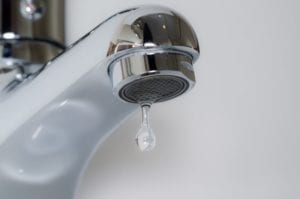
Did you know that a leaking faucet can waste up to a hundred dollars worth of water? And that’s just a minor leak. A larger faucet leak can waste more than 30 gallons of water a day, putting a significant dent in your wallet. To help you save money, we have compiled a list of 5 causes of leaky faucets and how to fix them.
5 CAUSES OF LEAKY FAUCETS
There are many more causes of leaky faucets than you might think. Here are the main five causes:
A DAMAGED CARTRIDGE
If you have a faucet with two handles, one for hot water and the other for cold, then you have a cartridge-style faucet. The cartridge is a valve on each handle that controls the flow of the water into the faucet spout. If your faucet is dripping water, this is a sign of damage to the cartridge.
BROKEN WASHERS
A common cause of a leaking faucet is broken washers. Washers rest against the valve seat, and over time, friction can cause the washers to wear out. This then leads to leaking. If a washer is the wrong size or not installed properly, it can also lead to leaking.
WATER PRESSURE
If you notice that the faucet in your bathroom only drips water during certain times or when your faucet’s handles move a certain way, then it could be your home’s water pressure that is causing the leaks.
MALFUNCTIONING O-RING
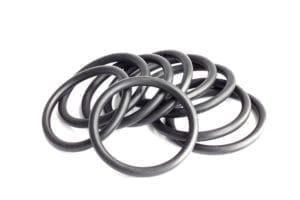
An O-ring is located in the sink’s faucet. It is a small disc that is attached to the stem screw to hold the handle of the faucet in place. Similar to washers, O-rings can get worn out or loose. If one of your faucet’s handles is leaking, this is probably the cause.
DETERIORATED VALVE SEAT
If your faucet is leaking from the spout, then it could be the valve seat. The valve seat connects the faucet to the spout. Sediment can build up and corrode the seat, causing a leak.
HOW TO FIX A LEAKY FAUCET
Save yourself some money by fixing a leaky faucet yourself. Be your own repairman—or repairwoman—and follow these steps:
DEACTIVATE THE WATER
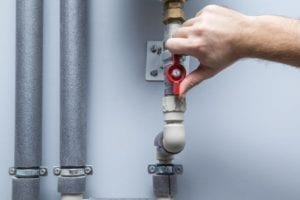
One of the most important steps in fixing a leaking faucet is to turn off the water. If you do not shut off the water to the sink, you could end up flooding your bathroom. To shut off the water, look for the fixture shutoff valves below the sink and turn the handles clockwise. If your faucet doesn’t have any shutoff valves, turn off the main water supply for the house. Check to make sure that the water is off by turning the faucet on. If no water comes out, then you did your job.
DISASSEMBLE THE FAUCET HANDLES
The way to remove the handles of a dripping faucet depends on the type of fixture. For standard fixtures, you can use a flathead screwdriver to remove the caps on top of the handle, revealing handle screws. Unscrew these and pull the handles off.
DETACH THE VALVE STEM
Once the faucet handle is removed, you will see the inner valve stem or cartridge. This also needs to be removed. Compression faucets have a brass valve stem that can be unscrewed. Cartridge faucets can be pulled straight out. If you are having trouble, you can refer to your faucet manual or look up instructions online.
INSPECT THE PARTS OF THE SINK
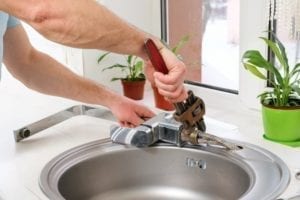
Once you have taken all the parts out, carefully inspect them to confirm what needs to be replaced to fix the leaking faucet. You should see rubber washers, O-rings, and seals.
REPLACE THE DAMAGED PARTS
If any parts are old or worn out/damaged, replace them. Go to your local hardware store and find the parts you need. The best and easiest way to get the right parts for your dripping faucet is to bring the old ones into a hardware store and ask for exact duplicates.
SANITIZE THE VALVES
Look at the valve body after you have removed the stem or cartridge. Usually, there tends to be mineral buildup. To clean it, pour white vinegar over the valve seat and let it soak for a couple of minutes. Then scrub it away, and scrub the other parts of your sink to restore its shininess and smoothness.
PUT THE FAUCET TOGETHER
Once you have the new replacement parts and have cleaned everything, reassemble the faucet. Turn the water supply on and check for any leaks.
4 TYPE OF FAUCETS
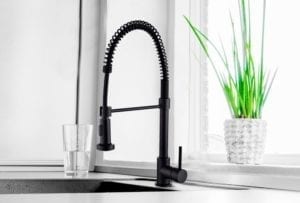
Knowing the 4 common types of faucets will help you know how to disassemble and fix them if need be.
CARTRIDGE FAUCETS
Cartridge faucets are commonly found in bathrooms and are characterized by the two handles on either side of the spout. The handle moves up and down to turn the water on or off. The inner workings of the sink contain a cartridge that moves up and down to control the flow of water.
DISC FAUCETS
Disc faucets are newer faucets, and typically a bit more expensive than other standard options. They are extremely durable and reliable. Disc faucets have only a single lever to operate them. The lever sits atop a cylindrical body.
BALL FAUCETS
These faucets use a ball joint to control the hot and cold waterlines. They are characterized by a single handle on a rounded cap mounted on top of the spout. To work them, you push up and down to adjust the pressure, then left or right to adjust the temperature. They’re common in kitchens and other high-use areas.
COMPRESSION WASHER FAUCETS
Although they are the oldest type of faucet, compression washer faucets are still commonly used today. They use rubber washers to tightly seal against the flow of water. They have two handles that do not move up or down, only side to side. The most identifiable trait of compression washer faucets is that you can feel the handle of the faucet getting tighter as you shut it off.
FAUCET & PLUMBING INSTALLATION SERVICES
If you cannot fix a leak in your faucet, give our team a call us. We offer emergency plumbing services and will address the situation quickly. Once we discover the source of the problem, we will let you know the parts and components that need to be replaced to fix the dripping faucet. Do you need help with a different plumbing problem? In addition, to fixture repair solutions, we offer other types of services such as water heater repair and sump pump installation. You can trust the team of our licensed plumbers.
Comments Off on 5 REASONS YOUR FAUCET IS DRIPPING WATER & HOW TO FIX IT
Top 9 Causes of Copper Corrosion in Home Piping Systems
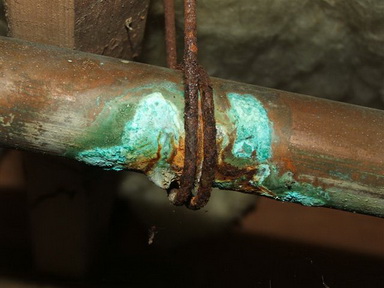
According to some estimates, copper corrosion costs the United States more than $1 billion a year.
Copper corrosion in home plumbing systems is a common phenomenon that can have many causes.
Besides actual piping failure, the telltale blue stains the oxidized copper leaves on sinks, tubs, and fixtures can identify copper corrosion.
Often laundry and even blonde hair can be tinted blue. Copper can be toxic, and water-containing levels over 1.0 mg/L should not be used for drinking.
If there are iron pipes present, the water can be colored rust or reddish and contain metallic or sulfur odors and sediment. Corrosion can cause the piping to fail, sometimes in less than 10 years!
What is Corrosion?

Corrosion is “the deterioration of a substance or its properties due to a reaction with its environment.” In plain words, the metal from the piping dissolves into the water as a result of various causes, causing pipe failure and corrosion of water heaters, appliances, and fixtures.
In plumbing systems, corrosion is due to physical and chemical reactions between the pipe material and water.
(If want to learn more about Copper Corrosion and water, check this post out.)
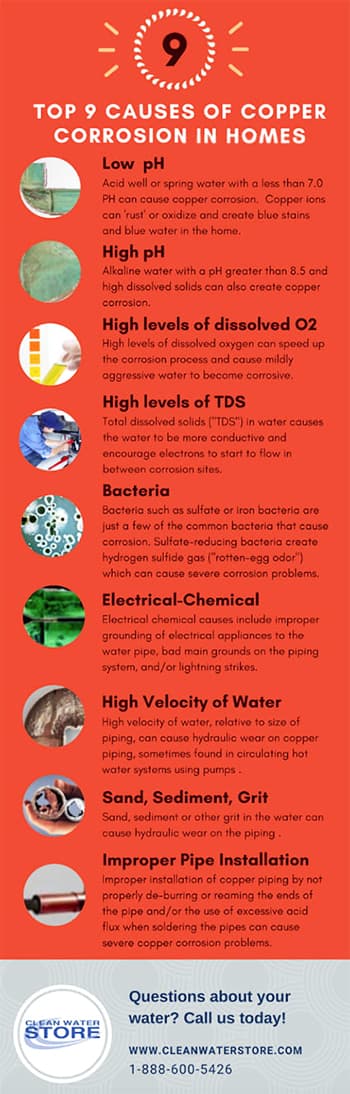
Top 9 Causes Of Copper Corrosion Problems
1. Low pH (acid water less than 7.0)
2. High pH (alkaline water greater than 8.5)
3. High levels of dissolved oxygen
4. High levels of salts dissolved in the water (total dissolved solids)
5. Corrosion-causing bacteria such as sulfate or iron bacteria
6. Electrochemical causes, such as improper grounding of electrical appliances to the copper piping, and/or lightning strikes through utility poles grounding wires
7. High velocity of water, relative to the size of piping, causing hydraulic wear on the piping, sometimes found in circulating hot water systems using pumps
8. Sand, sediment, or other grit in the water causing hydraulic wear on the piping
9. Improper installation of copper piping by failure to properly de-burr or ream the ends of the pipe and/or the use of excessive acid flux when soldering the pipes.
What Can Be Done to Stop Copper Corrosion in Homes
- Identify the source and severity of the problem by inspection of the piping system and getting an accurate water analysis, especially if you are on well water.
- Verify if there are unnecessary electrical appliances or wiring connected to the piping and if the piping system is properly grounded to earth ground. Verify to make sure that there is electrical continuity throughout the piping system. For instance, the copper piping should not be separated electrically by plastic water filters, sections of plastic pipe, plastic water softener bypass valves, etc. Install jumper cable around these items.
- Get a Corrosion Test Kit with Copper TestsCheck for pH, hardness, alkalinity, temperature, and total dissolved solids, and calculate LSI (Langelier Saturation Index) to see if the water is aggressive or corrosive.
- Cut out sections of the copper piping, cut in half, and inspect the type of corrosion present and for signs of poor workmanship by the installers. Replace copper pipe if necessary.
- Install a calcite neutralizer tank, or a soda ash feeder to raise the pH to 7.2 to 8.0 to correct for low pH and increase the alkalinity in the water.
- Set up a phosphate feeder before the copper piping. Phosphate can coat the piping and reduce corrosion effects by coating the interior surfaces of the piping with food-grade phosphate, causing an insulation surface to be built up.
- In case of high total dissolved solids (over 1000 ppm) install a whole house reverse osmosis system, followed by a calcite neutralizer.
- Install a chlorinator or ozone system to disinfect the water before it enters the home if your water has bacteria and/or sulfur odors.
- On City Water? If your water is supplied to you by a municipal utility, then the first place to start is by calling your water utility and reporting the problem. If this is an isolated case and none of your neighbors are having a corrosion problem, you should suspect that the cause is either improper grounding, stray currents, or improper installation of the copper pipe. Get a good home test kit with copper tests so you can do your own testing at home.
- On Well Water? The first task you should do, if you take your water from a private well, is to get an accurate water analysis. The water analysis should be for pH, total hardness, alkalinity, total dissolved solids, iron, manganese, nitrate, chloride, sulfate, and copper. Measure temperature as well.
More ways to prevent corrosion
Plumbing engineers and system designers can significantly reduce pipe corrosion by making simple design adjustments.
- Minimize velocity. Use larger diameter piping to keep velocities low:
Cold line velocity should be less than 8 feet per second
Hotlines should be less than 4 feet per second.
- Minimize hot water temperature. Make sure return lines in a circulating hot water system have the same diameter as the supply lines.
- Avoid stagnant sections; minimize direction and size changes.
- Specify low-corrosivity water-flushable fluxes
- Avoid stagnant sections
- Minimize direction and size changes
- Prevent electrical currents by grounding directly to a copper rod driven into the earth. Do not attach a grounding wire to water pipes other than the main pipe ground. Route wires away from water pipes and don’t use galvanized nails that touch copper piping. CAUTION: This may need to be done by a qualified electrician.
- Avoid induced stresses – provide enough pipe support and allow for thermal expansion.
- Consider non-copper pipe (e.g., PEX or stainless steel) wherever its use is permitted.
- Use non- or low-lead faucets, valves, and appurtenances. Use low-flow fixtures and appliances and aeration faucet outlets.
- Choose fluxes that meet ASTM B813 standard.
- Specify that copper tube and fittings be installed according to ASTM B828-92 standards
- Emphasize careful reaming of the cut ends to reduce turbulence. Plumbing inspectors and the Copper Development Association both report that un-reamed tubing corrodes and fails much more quickly than tubing which is properly reamed.
- Use correct ASTM B813 fluxes. Using excess flux or a corrosive flux cause early pipe failures.
Comments Off on Top 9 Causes of Copper Corrosion in Home Piping Systems
Handy Plumbing Tips and Tricks
Here are nine of our favorite simple tricks and tips to save you plumbing headaches around the house.
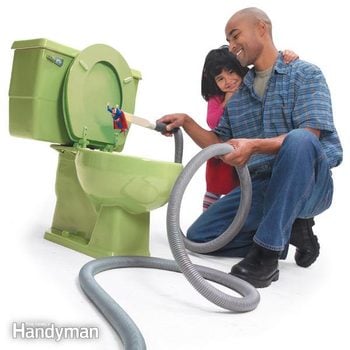 To save you time, money and headaches down the road, we collected our favorite tips and tricks for solving common household plumbing problems. Most of these tips make use of things that cost less than $20 and these tips could save you an expensive service call.
By the DIY experts of The Family Handyman Magazine
Stop sink-sprayer hang-ups

Use pipe insulation to prevent sprayer snarls
If you have to jiggle the hose as you pull out your kitchen sink sprayer, chances are the hose is catching on the shutoff valves. For smooth operation, slip 1/2-in. foam pipe insulation over the pipes and shutoff handles. Tape it if it won’t stay put. Get the insulation at home centers for about $3.
Silence creaking pipes
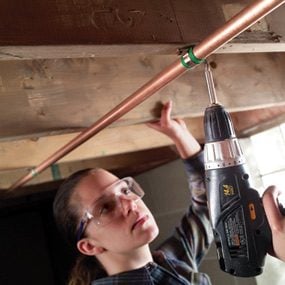
Wrap pipes in adhesive-backed felt
Running hot water can cause copper pipes to expand and grind against pipe hangers and joists. So pick up some adhesive-backed felt at the hardware store and cut it into strips. Then remove each hanger and wrap the pipe before refastening the hanger.
Quiet loud sinks
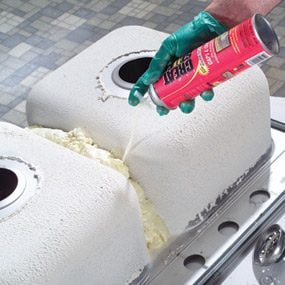
Deaden sounds with expanding foam
Fill the space between two stainless steel sink basins with expanding foam. The foam deadens vibrations and lessens the gong effect. It’s possible to do this with the sink in place but much neater and easier before installation. Either way, let the foam harden and then trim away the excess with a knife.
Drain vacuum
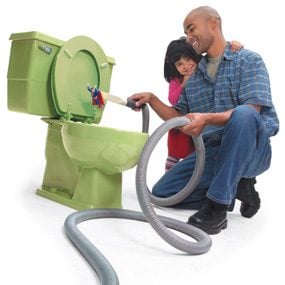
Use a shop vacuum to remove hard objects
When a hard object like a toothbrush, comb or toy plugs a toilet or drain, a plunger may not be the solution—it might only push the obstruction in deeper. Instead, suck out the water and the obstruction with a wet/dry shop vacuum.
Pipe orienteering
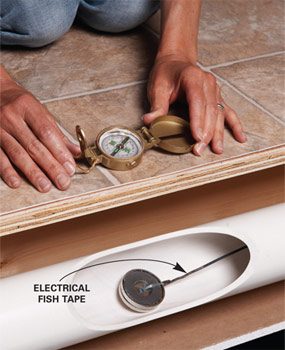
Use a strong magnet to find hidden pipes
When trying to locate a pipe under the floor, attach a rare earth (neodymium) magnet to an electrical fish tape and feed it into drain lines through the cleanout plug. Locate the magnet (and the pipe) under the floor using an ordinary compass, which will turn wildly when it finds the strong magnet.
Bucket flush
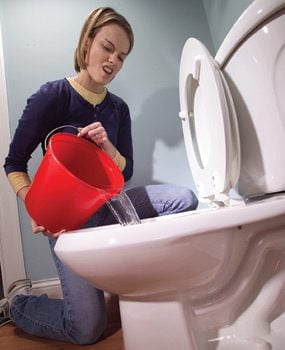
Use a bucket of water to flush the toilet
You don’t have to run to the neighbor’s bathroom during a plumbing project. Before you turn off the water supply, fill 2- gallon buckets with water. Flush the toilet by dumping the water in the bowl. You’ll get one flush per bucket. Works just as well as the usual method, although it won’t refill the bowl.
Next best thing to X-ray vision
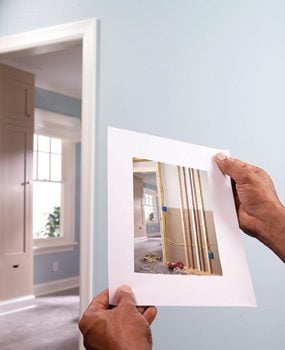
Take a picture before closing up walls
Your walls may not have much inner beauty, but it’s a good idea to take pictures of what’s inside during remodeling. The same goes for floors and ceilings. When your next remodeling or repair project rolls around, you’ll know where the framing and the electrical and plumbing lines are.
Empty the trap
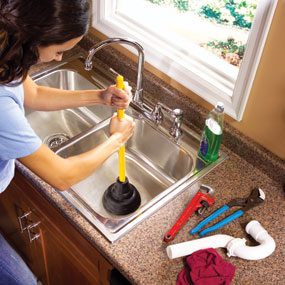
Plunge water first before removing the trap
Before you remove a sink trap, give the drain a few plunges with a toilet plunger. This will push most of the water out of the trap, lessening the mess when you pull the trap. If you have a double sink, be sure to plug the other drain to contain the air pressure. If the strainer isn’t a screw-down style, you’ll have to hold it down while you plunge the drain.
Inside view
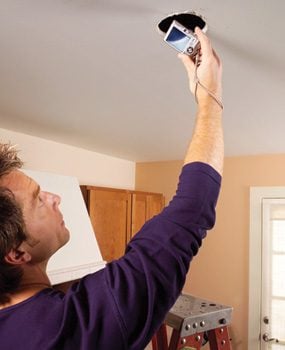
Get a look at hidden spaces
Whether you’re remodeling or just running wire, knowing what’s inside the walls is helpful.
Comments Off on Handy Plumbing Tips and Tricks
How Air Conditioning Works
June 4, 202
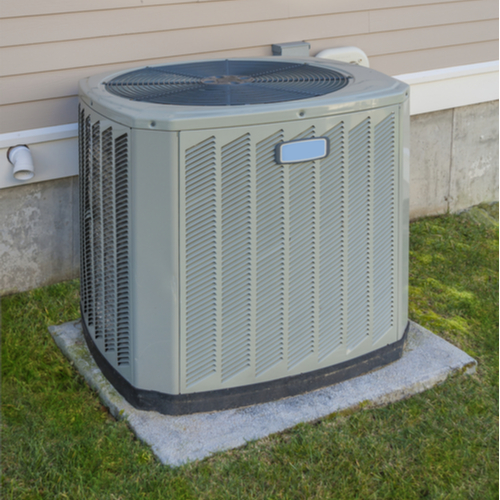
Before 1902, humans adopted creative ways of staying cool during hot summers. The ancient Egyptians hung wet reed mats in their windows that created a cooling effect when the wind blew through. Ancient Romans went so far as to pump cold water from aqueducts through the walls of elite homes.
These days you need only turn your thermostat dial for sweet heat relief in your home. But what exactly happens when you turn that magic dial? And how do you fix your AC when it doesn’t click on? Mike Diamond is the fresh smelling man with the answers to all things cool. We’ll cover the parts of a home ac system and explain how the air conditioning system in your house works. If your AC isn’t working, we’ll troubleshoot the common reasons why.
Who invented Air Conditioning (and the summer blockbuster)?
The man credited with inventing air conditioning as we know it is Willis Carrier. At the turn of the 20th century, he had an epiphany while standing on a train platform. He realized that humidity could be removed from air causing it to feel colder. Willis built a system of ice chilled coils that kept mills and printing companies cool during hot industrial workdays.

Stuart Cramer invented a ventilation device around the same time that was used in textile plants to distribute cool vapor to hot air. He was also the person to coin the term “air conditioning.” In 1925 he invented a more efficient version of his device for a movie theater. Soon his device was in theaters across the country. Ever since, Americans have flocked to the movies to escape the summer heat and thus was born the summer blockbuster season.
How Does Air Conditioning Work?
Modern air conditioning works via the physical principal of phase transition. This law states that when a liquid converts to a gas, it absorbs heat energy. Like when you boil water to create steam.
The liquid in this instance is a refrigerant or chemical compound that evaporates and condenses over and over to cool your home. The refrigerant starts as a liquid that travels through an evaporation coil inside your home. As the liquid evaporates it absorbs heat and, in this case, that heat is from warm air from your home. As the heat is removed, the resulting cool air is distributed back into your home.
The used refrigerant gas is then sent to your air conditioner compressor – that’s the big unit outside – where it is compressed back into a liquid. The hot air that is a byproduct of the process (remember phase transition) is vented outside and the condenser aids the compressor in sending the liquid refrigerant back to the evaporator coil where the cycle begins all over again.
How HVAC Systems Work
HVAC stands for heating, ventilation and air conditioning. Your home’s central air takes advantage of the existing ducts and vents in your home that are also used by your furnace during colder months.
After warm air travels over the evaporation coil and is cooled, fans blow the chilled air through your ducts and vents to reach every room of your home. This network delivers cold air evenly and efficiently throughout your home.
The thermostat connected to your HVAC system regulates all temperatures for both your heating and air conditioning. Each system responds based on the setting you input. Having one central control makes it easy to stay comfortable all year long.
Why Won’t My Air Conditioner Work?
Like any piece of equipment, air conditioners are subject to break down and failure. Common reasons air conditioners malfunction include:

- No power.
- Blown fuse or tripped circuit.
- No signal from the thermostat.
- Too hot outside to keep up.
- Dirty or blocked air condenser.
- Dirty air filter.
- Broken fan.
- Problems with refrigerant.
- Unit not the right size for your home.
- Older unit (10+ years).
- Leaky air ducts.
Some of these issues are easier to address than others. If your air conditioner is not working, make sure its receiving power. Check that the circuit isn’t tripped and that your thermostat has fresh batteries. Then make sure your filter is clean and check your compressor for obstructions like brush or grass. If you’re still having problems, it may be time to have a professional technician look at it.
Comments Off on How Air Conditioning Works
How To Use A Plumber’s Snake For Unclogging A Drain
A drain auger or plumber’s snake is a plumbing tool used to remove clogs that cause blockage within drain pipes.
Snakes are ideal for unclogging drains, especially when dealing with stubborn clogs that can’t seem to be removed by a plunger. Thus, if you have tried a plunger and it fails to solve the problem, your next bet should be a snake.

Snakes are more effective than plungers. However, they’re more challenging to use. For instance, using a snake improperly can damage the pipes and lead to major leaks.
You can avoid such problems by learning how to snake your drain the right way. Here’s what you need to know about snaking a drain.
How do snakes work?
Basically, a drain snake or auger is a flexible and long metallic cable with an uncoiled spring or small auger attached on the end that gets into the drain pipe. The other end of the cable has a handle.
The auger comes with the design of a corkscrew or drill bit. Plumber’s snakes used for domestic purposes measure approximately 50 feet in length.
The snake is usually coiled up when not in use. Most snakes used at home come with a manual, hand-operated crank or handle.
The snake works by getting into contact with the clog upon insertion into a drainpipe, thereby clearing the clog. The end with the auger is what you’ll insert into the clogged drain pipe.
You can insert the snake manually into a drain pipe and rotate the crank or handle to uncoil the snake. As it uncoils, the snake moves deeper into the drain until the auger penetrates through the clog and breaks it up.
Steps to Follow When Using a Drain Snake
Step #1
Wear some clothes that are meant for doing dirty work. Lay some rags or old towels below the drain pipe you’re unclogging.
The snaking process might get messy for some clogs, especially when you’re forced to remove a sink p-trap.
Step #2
Removing the p-bend or p-trap may be optional. The p-bend or p-trap is a curved component of a drain system that is found below the sink. The role of this component is to connect the sink drain to the main drain pipe.
It’s usually curved with the aim of preventing sewer smells from going up through the drain into your home. It’s usually made of plastic, but some may be metallic.
The sink p-trap can be removed manually by hands or using an adjustable pipe wrench. Inspect it carefully after removing it. Then clean it thoroughly.
If there are any obstructions, remove them. Doing so might eliminate the problem and save you from snaking the drain. Even when you fail to find anything in the trap, removing it will make the entire snaking work easier.
Step #3
You can also remove the drain trap arm. However, this is optional. The drain trap arm refers to the pipe section between the main drain pipe passing through the wall and the sink p-trap.
The arm keeps the trap well-positioned in place. It may curve through the wall as it connects to the main drain pipe. You can remove the arm by loosening the metallic or plastic nut that connects it onto the wall.
In case the arm doesn’t have a nut, then it might be held in place with glue. If it’s glued onto the wall, don’t remove it. Clean the arm thoroughly to get rid of any clogs.
Step #4
If it’s possible to remove the sink trap arm, then you’ll be closer to the main drain pipe. Try to look through the drain for obstructions.
In case you spot an obstruction, you can try to pull it out with a hanger wire. If you’re unable to remove it, then it’s time to use a snake.
Step #5
Thread the head of your snake through the drain pipe. In case you never removed the trap, then run some cold water through the drain while snaking.
Step #6
Avoid forcing the auger through the drain. Forcing it too hard may damage the pipe. Also, observe patience and ensure the auger and snake cable are not too lengthy for your drain pipe.
Step #7
Start uncoiling the drain snake by rotating the handle. Ensure the handle goes as close as possible to the pipe entrance. If the auger has more slack, then you’ll supply less force.
Keep rotating the handle. The pace at which you rotate it should be consistent. Avoid rotating it too slowly or too quickly. In case you feel some resistance while snaking, then you might have reached the clog.
Step #8
Upon getting to the clog, rotate the auger through the obstruction. Clear the clog thoroughly by breaking it up.
However, don’t jam the snake auger onto the pipe walls. In case of any scraping noises, stop working the snake until you re-adjust it.
In case you feel that the auger is stuck within the clog, pull out the snake from the pipe. The snake might pull out the stuck clog from the drainpipe. Work the snake until there’s no more resistance or when the drain snake uncoils fully.
Step #9
Pull out the snake. Then re-assemble all the sink drain components you had removed. Clean the auger of any clog remains.
Step #10
By now, the snake may have removed the clog successful. Check whether the sink is draining smoothly to know whether you’ve unclogged the drain.
In case the problem is yet to be solved, try snaking again. If the second round of snaking fails, then consider contacting professional plumbers.
Snaking is an easy DIY project that any homeowner can try. All you need to do is to know how you’ll use the snake properly to avoid creating new problems.
However, DIY snaking may not remove extremely stubborn clogs. If you’ve snaked your drain and the clog doesn’t clear, simply contact us for effective unclogging services.
We have all the required expertise and tools to trace and clear clogs regardless of how stubborn they might be. For more information, visit our blocked drains service page.
Comments Off on How To Use A Plumber’s Snake For Unclogging A Drain
WHY QUALITY PLUMBING SERVICE IS IMPORTANT
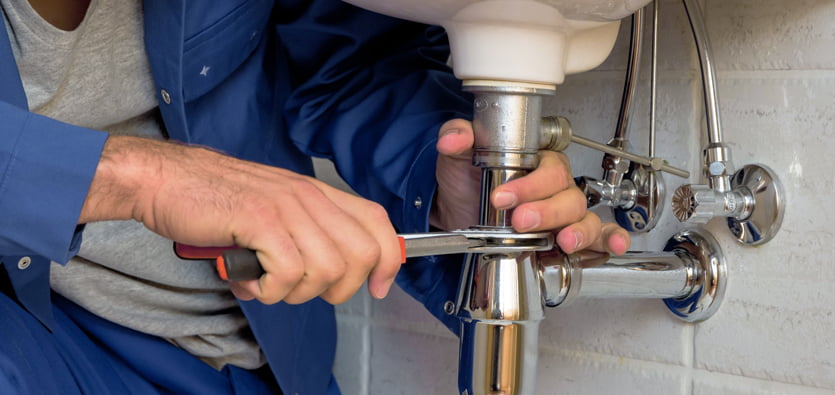
Why Quality Plumbing Service Is Important
Most of the plumbing problems households face demand quick and durable solutions. For example, an obstructed drainage pipe can badly affect the entire plumbing system installed in a building. This is why even small issues should be fixed immediately.
At Dunn Rite Plumbing & Gas, we deliver specialized plumbing and gas services to residential, commercial, and industrial areas in Edmonton. As a team of experienced and certified plumbers in Edmonton, we put heavy emphasis on saving customers time and money by providing sustainable solutions. Our services extend to the entire Edmonton city and its peripheries.
Delivery of timely services
We understand that it’s hard to wait the whole day to get a small problem fixed. Plumbing issues like noisy dripping taps and sink blockage look minor, but they can ruin your peace and daily routine. For a professional, fixing small issues can be done in a matter of minutes. If your home or office is experiencing any plumbing problem, whether minor or major, call a plumber immediately.
Why should you carry out regular inspection and maintenance activities
A plumbing network requires a regular and careful inspection to make sure each and every fixture is in good shape. We also provide affordable inspection and maintenance services. The purpose of these services is to increase the life and efficiency of your plumbing infrastructure. Furthermore, a regular examination helps track down hidden faults which can cause, if not fixed on time, great damages to the sewerage pipes and foundations. Self-inspection is not a very good idea as it requires proper tools and techniques. Therefore, make sure you have a dependable maintenance service specialist just a phone call away.
Advantages of hiring a competent installation and repair service
- Experts devise a well-designed plan which is largely essential in building a trouble-free plumbing system
- Careful installation of fixtures and other installations such as electricity and telephone lines keeps things running smoothly.
- Dependable professionals always choose high-quality material which satisfactorily fulfills your future needs.
- Professionally installed plumbing systems are always easy to repair and maintain.
Why following plumbing rules and regulations is mandatory?
Since plumbing is a very technical job, thorough training and compliance are absolutely necessary. A team of plumbing experts always stays updated with prevailing standards and laws. So far as plumbing services are concerned, observing strict adherence to standards and regulations is necessary; there are some set regulatory processes that have to be followed.
Our professionally trained team of workers is well aware of all plumbing standards. We make sure that all repair and installation operations performed by the Dunn Rite team are in compliance with plumbing codes and best practices. Visit our website for more information!
Comments Off on WHY QUALITY PLUMBING SERVICE IS IMPORTANT
Residential Roofing; the Rundown on Material Choices and Costs
Residential roofing is one part of home renovation or new home construction that has not changed much in recent years. Although roof material prices have increased, techniques and products have remained about the same over the last 20-years or so.
The most common and widely used type of material by roofing contractors is asphalt shingles; 3-tab or T-lock. 3-tab shingles are available in a variety of roof shingle colors and styles. Including higher-end architectural shingles which have raised texture and design.
A Word About 3-Tab and T-Lock Roof Shingle Installation
3-tab shingles are nailed or stapled to the roof; usually consisting of OSB board or exterior plywood nailed to the top side of the roof trusses, and then covered with 15 lb. or 30 lb. asphalt roof felt. The shingles are applied in runs beginning on the lower edge of the roof, working toward the top.
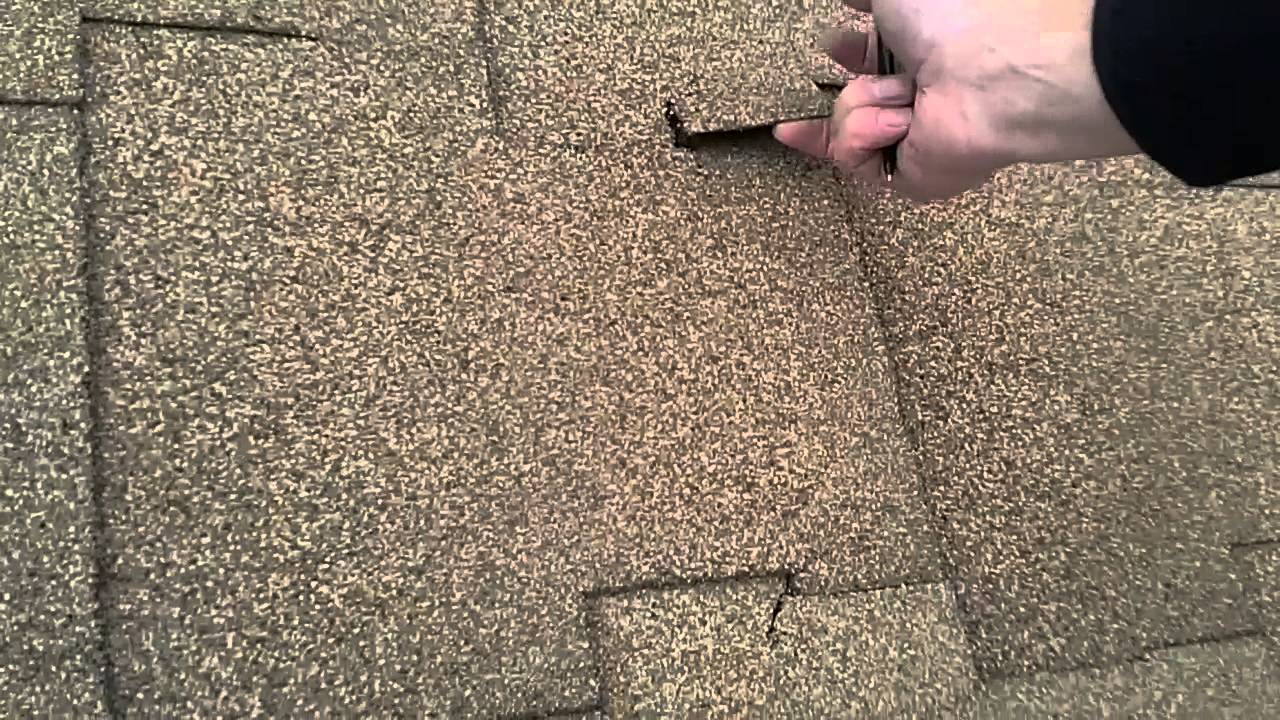
The top edge of each roof shingle is nailed into place. The next run overlaps the top part of the shingle below. Asphalt “sticky tabs†on the lower edge of the shingle adheres to the top of the previous run. The tabs heat up and bond both layers firmly in place. Special care must be given to ensure each run is arranged so that seam lines between the tabs are properly offset, providing maximum water shed.
Note: because the asphalt shingle sticky tabs represent the only sealant on the bottom edge of the shingles, they should not be installed when the temperature is below 40º F. This is so tabs heat enough to make a good seal. High winds (in excess of 60 mph) can cause the seal to let loose and cause damage or shingle loss; especially when tabs have not sealed properly.
T-lock shingles are used specifically in areas with prevailing high winds. This is because the design of this type of roofing shingle includes not only sticky tabs but flaps that interlock with the previous run. Again, special attention must be given to each run, to ensure each shingle lines up and interlocks properly with the previous run. Providing maximum adhesion and watershed.
Other Roofing Material Types
Galvanized metal roofing, copper roofing material, and those made from other types of metal such as tin, steel, and aluminum are also widespread; available in a variety of color choices. Metal roofing has gained in popularity mainly because of its extended life expectancy and snow shedding properties. While metal roofing price is significantly higher, life expectancy is 100-years or more when properly maintained.

A ceramic tile roof or concrete tile roof will also render a life expectancy of 100-years with proper care. However, both require a very strong roof truss system to support the weight, which can be up to ½-ton per square -a 10 X 10-foot area. Because of the aesthetic appeal of ceramic and concrete tile, they remain the favored residential roofing choice for the wealthy elite.
Cedar shingles or a wood shake roof is another attractive choice; one that yields 50-years or more life expectancy when properly maintained. Wood shingle prices are higher than asphalt roof shingles but less than metal or ceramic/concrete tile
Built up roofing (BUR) consists of multiple membrane layers adhered together by hot mopped-on asphalt. This type roofing is most suitable for very low pitch roof or flat roof applications.
Another roofing option is modified rubber roofing or EPDM rubber membrane products. These options range from cold application processes to hot applications; such as mop-on hot asphalt or torch application procedures.
About Roof Style Price
BUR and other rubber or asphalt products are petroleum based. Recent increases in oil prices have inflated costs for these type products, which previously often exceeded $1000 per square.
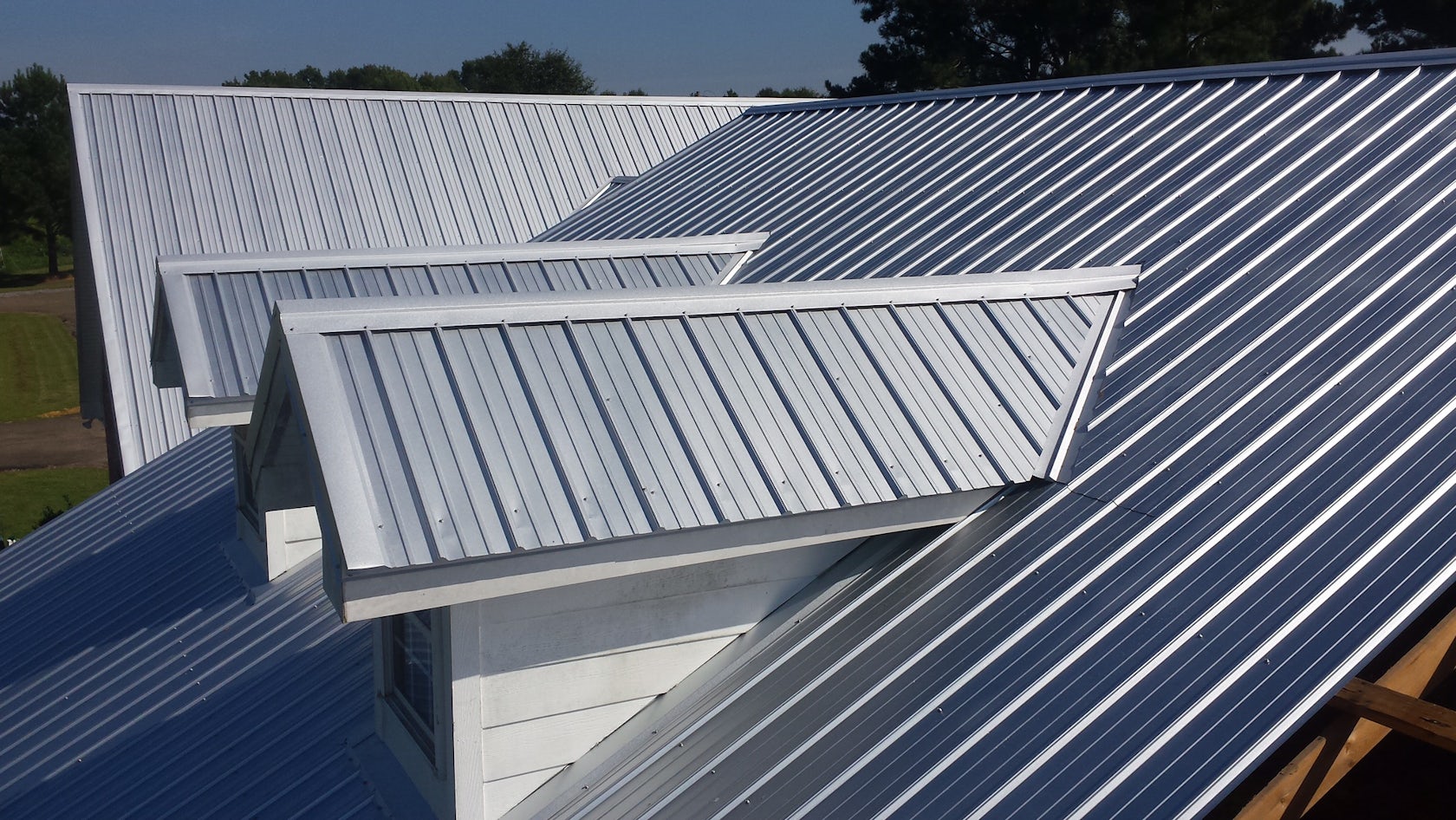
Homeowners can expect to pay $200 to $300 for each square of asphalt roofing shingles installed, plus $50 to $150 per square to tear off and haul away old roofing. Cedar wood shingles cost $150 to $200 more per square than asphalt shingles, in addition to costs to tear off and haul away old materials.
Residential metal roof installation, depending on type and difficulty, can range from $400 to $1000 per square. A roofing system consisting of multiple gables and resulting valleys will incur higher costs.
Ceramic or concrete roof tile prices normally run $1000 per square or more. If roof truss system requires upgrading to support the weight of a ceramic or concrete tile roof, price per square drastically increases, since major roof construction and modification is necessary.
Find the Right Professional for the Job
While many homeowners are up to the task of installing common asphalt shingles as a DIY home project, other types of roofing may best be installed by a professional roofer. A professional roofing contractor who is certified for a particular type of roofs such as a BUR hot-mop asphalt roof or EDPM membrane roof offers warranties for workmanship and roofing products.
![Local Roofing Contractors | Angi [Angie's List]](https://reference-media.angi.com/visitor/roofing_112.jpg)
Homeowners all across America seeking a reliable local roofing siding contractor can locate one quickly, easily, and without cost or obligation at TrustedPros.com.
Simply sign up for FREE and post your roofing project details online, where it is immediately visible to roofing professionals in their community 24/7. Local member contractors also receive e-mail notification of new project postings within their scope of services, and provide competitive bids in days, even hours after project posting.
View information on each candidate online at your convenience; including company profile, licensing/insurance/certification information, references, customer comments, and photos of recently completed projects. And then make an informed hiring decision, or hire no one at all. Remember, there is no obligation whatsoever.
Posted by: TrustedPros
Comments Off on Residential Roofing; the Rundown on Material Choices and Costs
Top Three Plumbing FAQs for Typical Situations In Your Home
Since plumbing is something you use every day for multiple purposes, it makes sense that this element of your home will need plenty of repairs. Whether you tackle them with the enthusiasm of a DIY expert or hire your local plumber to do the job, there are many common questions and decisions that homeowners need to make about their plumbing. Have a quick look at these top three plumbing FAQs to get a better idea of what you are up against when problems arise.
Are Plastic Pipes Better or Worse Than Copper?

When you are redesigning your plumbing system, renovating your home, or putting on addition the decision over whether to install copper or PVC pipes are bound to come up. Beware that you may flinch at the cost of copper plumbing. With a higher price tag, many people wonder whether copper really is worth more than its plastic counterpart. But most plumbers will tell you that copper is far superior to plastic in almost any case.
If you have water with a high pH that situation could be different, but most often copper provides a more durable design. It can be fitted, soldered, and tested right away, saving time and money. Plastic needs to be glued at the fittings and will often leak if not done exactly right. Plastic to copper fittings are suspect and pesky animals such as mice like to chew on plastic, a recipe for disaster if there ever was one.
Investing in copper is a smart choice for the vast majority of situations, although plastic has its place for repairs and in short, straight runs.
Do You Need a Plumber For a Faucet Repair?
Many times a faulty faucet can be fixed with very little cost and time attached. If the faucet is sticky or the flow has been dramatically reduced, look for a faucet repair kit in your brand (and servicing your model) at the local building supply store. Fixing it up should take you only a short time and the cost of the kit is relatively low.
If however, your faucet is perpetually leaking or spraying it could make sense to bring in a plumber. Installing a new faucet is fairly straightforward, but changing out the plumbing can get tricky if that is necessary during the repair.
How Do You Size Out a Plumbing System?
This will vary from state to state and is best left to the professionals if at all possible. There will be specifications about the number of fixtures allowed in each house and the size of pipes required for each line. Plumbing design is a complicated art that requires many different calculations and must follow all of the applicable building codes. Although there are general rules to be found in DIY books, the overall plumbing for a renovation, addition or new build should be completed by a trained professional in order to provide a safe and efficient system for the household.

The plumbing in your home should be designed and installed well, but problems are still bound to occur. Whether you are handling a plumbing repair such as a faulty faucet or tackling a sizing issue with a newly renovated room, plumbing work comes with a lot of questions. Trust the expertise of a pro to tell you whether copper or plastic pipes are better. And lean on the knowledge and skill of plumbers to get the job done when a quick DIY fix just won’t do.
Comments Off on Top Three Plumbing FAQs for Typical Situations In Your Home
Plumbing Installation and Repair, Plus New Energy Efficient Innovations
Plumbing is something that nearly every contemporary structure has. Modern plumbing systems bring fresh water to the kitchen, bathroom, and laundry areas of the home or business. And drain away used water to sewer or septic systems.
Improved home efficiency
Once a plumbing system is installed in a home or business, the only service or plumbing repair usually required on an ongoing basis is clearing plugged drains. Or else fixing a minor faucet leak, such as a worn-out washer on a plumbing fixture.
Some Plumbing Repairs are DIY Feasible; Others Require a Licensed Plumber
Designing and installing a plumbing system during new construction or for a home improvement plumbing project is best done by a licensed plumber. Applicable local building codes, usually based on the uniform plumbing code, require that all plumbing pipes and systems be installed by a licensed plumber, and comply with code specifications.
However, some aspects of home plumbing repair can easily and effectively be undertaken as a DIY project. Replacing faucets, faucet repairs, and adjusting kitchen sink plumbing, for instance, are all viable DIY plumbing tasks that require a low level of skill and expertise.

Modern kitchen faucets and bathroom faucets easily disconnect by hand, often without the need for tools. Most units include shut-off valves right on hot and cold supply lines, allowing quick and easy removal and installation.
In addition, most kitchen and under sink bathroom plumbing includes compression ring slip joints with large tightening nuts right on the drainpipe system. These can be assembled and tightened by hand – without the use of a wrench. Most plumbing supply or plumbing store clerks are knowledgeable about simple repairs and common parts needed to remedy a problem and can “walk†homeowners through most routine repairs.
Repairing or replacing a toilet tank fill kit is also a simple plumbing job, one easily completed by homeowners. However, more complicated toilet plumbing issues such as adding a new toilet in the home or leaky toilet repair usually require the skills of a licensed plumber.
Homeowners with a higher level of skill and determination might be able to fix a leaky toilet with seepage around the wax floor seal; novice homeowners, however, will want to have a plumbing contractor resolve the problem for them.
Energy Efficient Innovations in Plumbing
With the current emphasis on energy conservation and desirability of energy-efficient homes, many homeowners are switching to tankless hot water heater systems.
One advantage of a tankless water heater is that it takes up less space than traditional tank heaters. It also heats water only when required. This eliminates the need to keep the tank always heated and continuously on standby.
energy effeicient
Some tankless systems feature separate units for each fixture, instead of one centralized unit. This eliminates abrupt water temperature fluctuations when another fixture is used simultaneously.
Tankless water heaters offer other advantages over traditional types of water heaters. Including:
- A constant supply of hot water; you never have that “cold water surprise†in the middle of a bath or shower when a traditional water heater runs out of hot water.
- Since water is heated only on demand, the need for a constantly heated tank is eliminated. This translates into overall energy savings of 20% to 50%. Less water is used, less fuel consumed, and no energy wasted by keeping a tank in standby mode; making it a more environmentally-friendly choice.
- Much less space is required for a tankless unit.
- Tank water heaters eventually wear out and need replacement, due to mineral build-up or leaks that develop in the tank. Tankless water heaters seldom require replacement, and usually, come with a lifetime warranty. They are more maintenance-free and almost never leak or seep.
- Water sitting in a regular water heater tank in stand-by mode can allow certain types of bacteria to grow inside the tank. Tankless systems have no place for bacteria to grow. They, therefore, provide cleaner, healthier water.
Another Type Innovative Plumbing Option
Dual flush toilets are another energy-efficient plumbing option that can actually save water usage by up to 67%. A dual flush toilet features two flush modes. One with a higher water flush volume for solids; another smaller flush volume for liquid wastes.
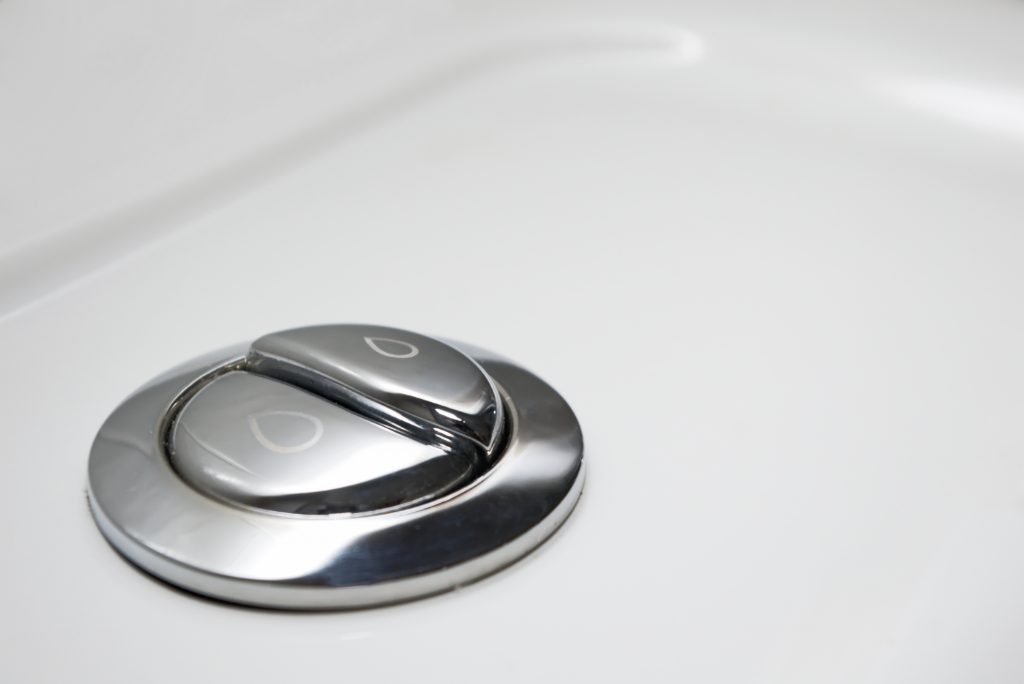
The only drawback with a dual flush toilet is that it is much more difficult to hook up than a standard toilet. The installation process is too complicated for most DIY homeowners and should be undertaken only by a professional plumbing contractor to ensure proper installation and operation.
Locate a Reliable Plumbing Contractor
To locate a reliable local plumbing service or plumbing company, homeowners all across America are turning to HandyAmerican.com where the task is quick, easy, and free!
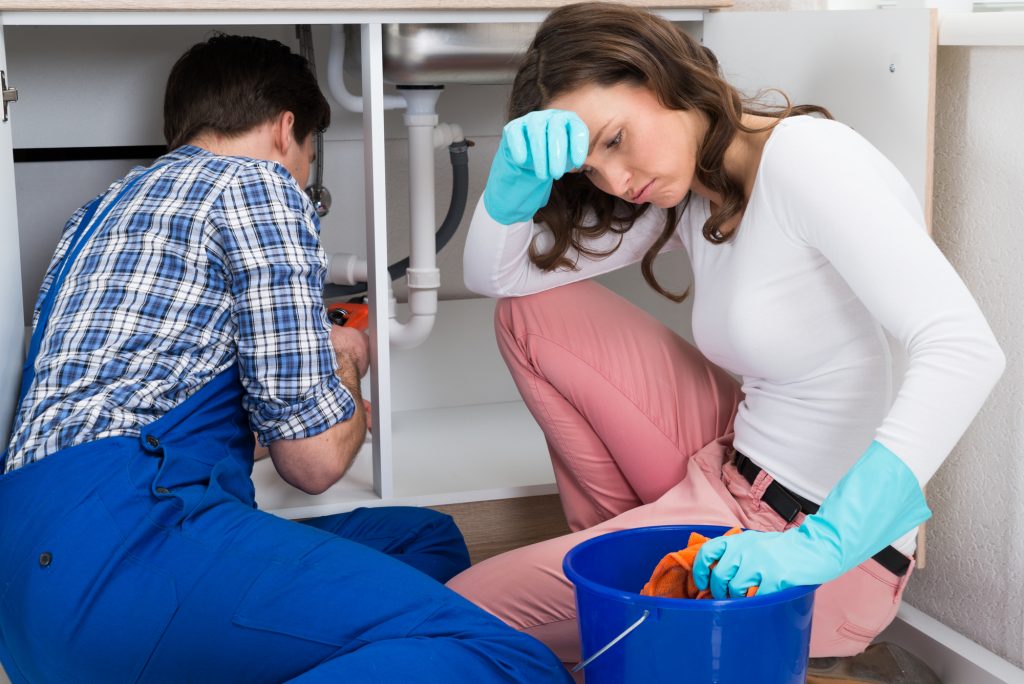
Homeowners seeking a licensed plumbing contractor can sign up without cost or obligation. And post their plumbing project online, where it is immediately visible to reliable contractors in their community.
Member contractors also receive e-mail notifications of new project postings in their locality, within their scope of services. And provide project owners competitive bids within days, even hours from project posting.
View company profile pages, references, customer comments and feedback, licensing/insurance/certification credentials, and photos of recently completed projects online at TrustedPros.com. And then make an informed hiring decision, or hire no one at all. Remember, there is no obligation whatsoever.
Comments Off on Plumbing Installation and Repair, Plus New Energy Efficient Innovations